Global Catalysts and the $66K Rally
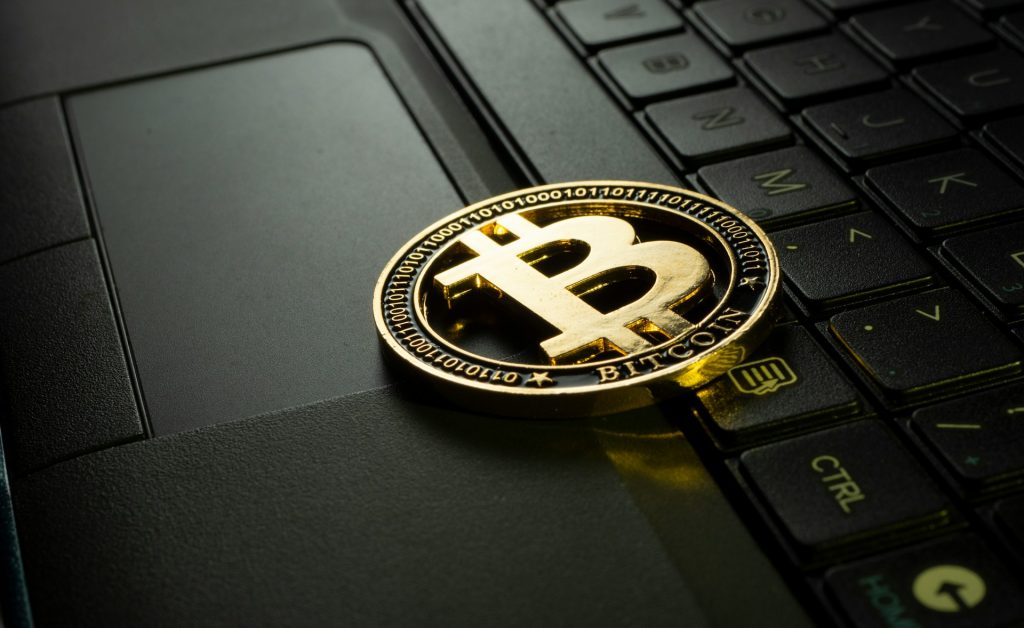
Bitcoin just flexed its geopolitical muscles again, climbing close to $66,000 in early Monday trading. That’s a solid $2,000—roughly a 3% bump—driven largely by the ink drying on a massive framework agreement between the US and Iran. After weeks of tense, high-stakes negotiations brokered by Pakistan, this deal aims to finally cap the conflict in the Middle East and set the stage for trickier talks down the line regarding Tehran’s nuclear program. The crypto market clearly liked the news, using the geopolitical breather to build on a recent recovery streak.
This fresh momentum pulls Bitcoin out of the gutter it fell into earlier in June, when the asset slipped below the $60,000 psychological support level, hitting its lowest floor since October 2024. Still, the market isn’t completely out of the woods. Even with the recent tailwinds, BTC is trading roughly 25% lower than where it closed out 2025. Last year was actually surprisingly rough for the apex predator of crypto; it shed about 6% of its value, marking only the fourth losing year in its entire history since launching in 2009. We’re also still sitting at nearly half the staggering $126,000 all-time high it clocked in October of last year.
But zoom out, and the macro thesis holds serious water: Bitcoin remains an absolute juggernaut. Over the last five years, it’s up by roughly two-thirds, and if you look all the way back to June 2016, you’re looking at a jaw-dropping 9,000% ROI. With a $1.3 trillion market cap out of the total $2.2 trillion crypto ecosystem, it’s still the undisputed heavyweight dictating the market’s tempo.
Unearthing a Multi-Million Dollar Mystery
Speaking of that 2016 timeline and those insane parabolic returns, that exact math is currently giving Cardano’s founder, Charles Hoskinson, a massive headache. He’s been forced to re-litigate a highly controversial 1,096 BTC phantom payment that traces all the way back to the original ADA crowdsale. What was once a standard, mundane business expense has ballooned into a multimillion-dollar ghost story that critics just won’t let go of.
During a recent weekend livestream, Hoskinson finally pulled out the receipts to put the noise to rest. He pointed directly to a March 13, 2016, email from Michael Parsons, who was chairing the Cardano Foundation at the time. Parsons was billing for an audit of the initial ADA crowdsale—a massive fundraising effort that pulled in around $62 million, mostly from Japanese retail investors, between 2015 and 2017.
Here’s the kicker: back then, Bitcoin was trading at an almost quaint $414. Independent market data puts the daily close right around $412, so his math definitely tracks. Hoskinson broke it down bluntly to show how relatively small the invoice actually was at the time.
“That was around $400,000 for three auditors: Michael Parsons, John Maguire, and Bruce Milligan,” he explained, noting they were hired to comb through the Japanese crowdsale and ensure nobody was skimming off the top or wasting funds.
So what’s the big deal? Thanks to Bitcoin doing exactly what Bitcoin does over a ten-year horizon, those same 1,096 coins are worth about $70 million today. That kind of money naturally breeds wild speculation, particularly regarding who actually ended up holding the bag—or rather, the wallets. The whole ordeal takes on a much darker shade when you remember that Parsons unceremoniously stepped down in 2018 after IOHK and EMURGO effectively cut ties with him over glaring transparency and governance failures. It leaves the market wondering exactly where those early audit funds ended up as Bitcoin continues its relentless climb.
